Skip to content
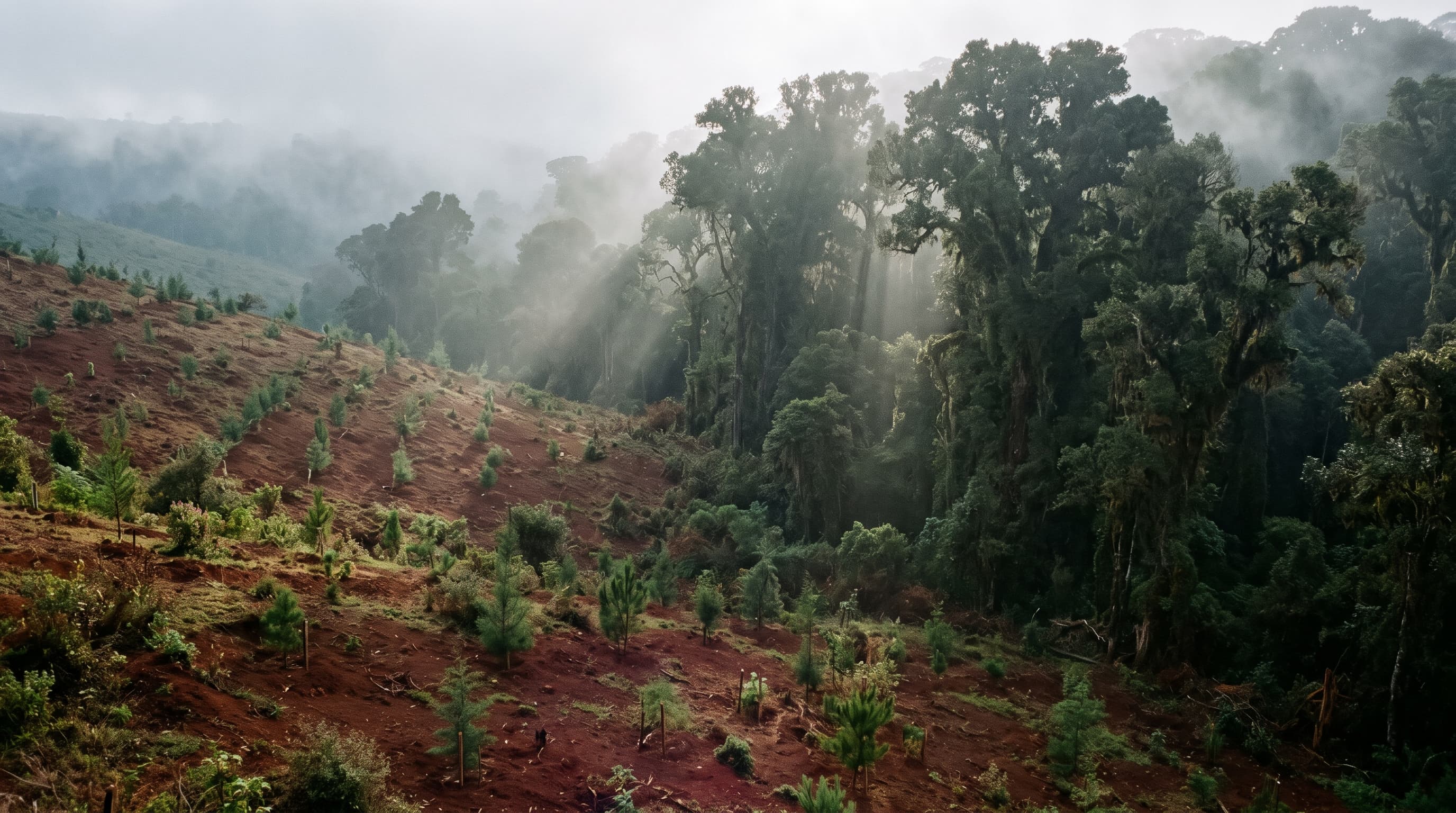
Rows of young cedar saplings beside old montane forest on the Mau escarpment

Project 06Kenya · Mau escarpment, Rift Valley

Mau Forest

Restoring the largest water tower in East Africa, the forest where twelve rivers begin.

0.52° S 35.78° E

Trees planted
1,108,900
Hectares
2,460
Survival at three years
90%
Started
2012
Partners
Women’s nursery groups and forest families of the eastern Mau

01The story

Montane water-tower forest.

The Mau is the largest montane forest in East Africa and the source of rivers that run to Lake Victoria, the Maasai Mara and Lake Natron. In two decades, a quarter of it was cleared for farms and timber. Downstream, rivers began to run dry in August.

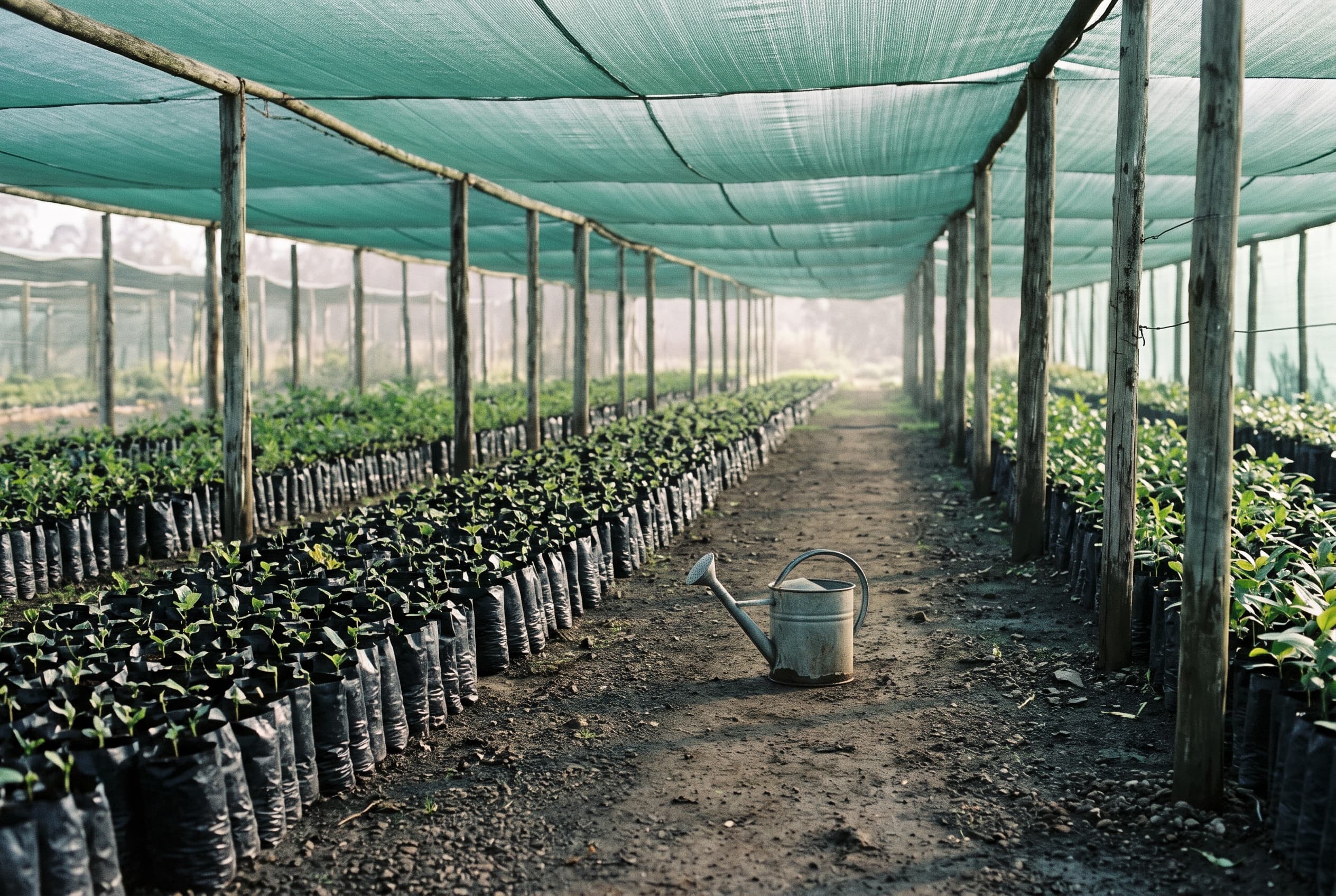
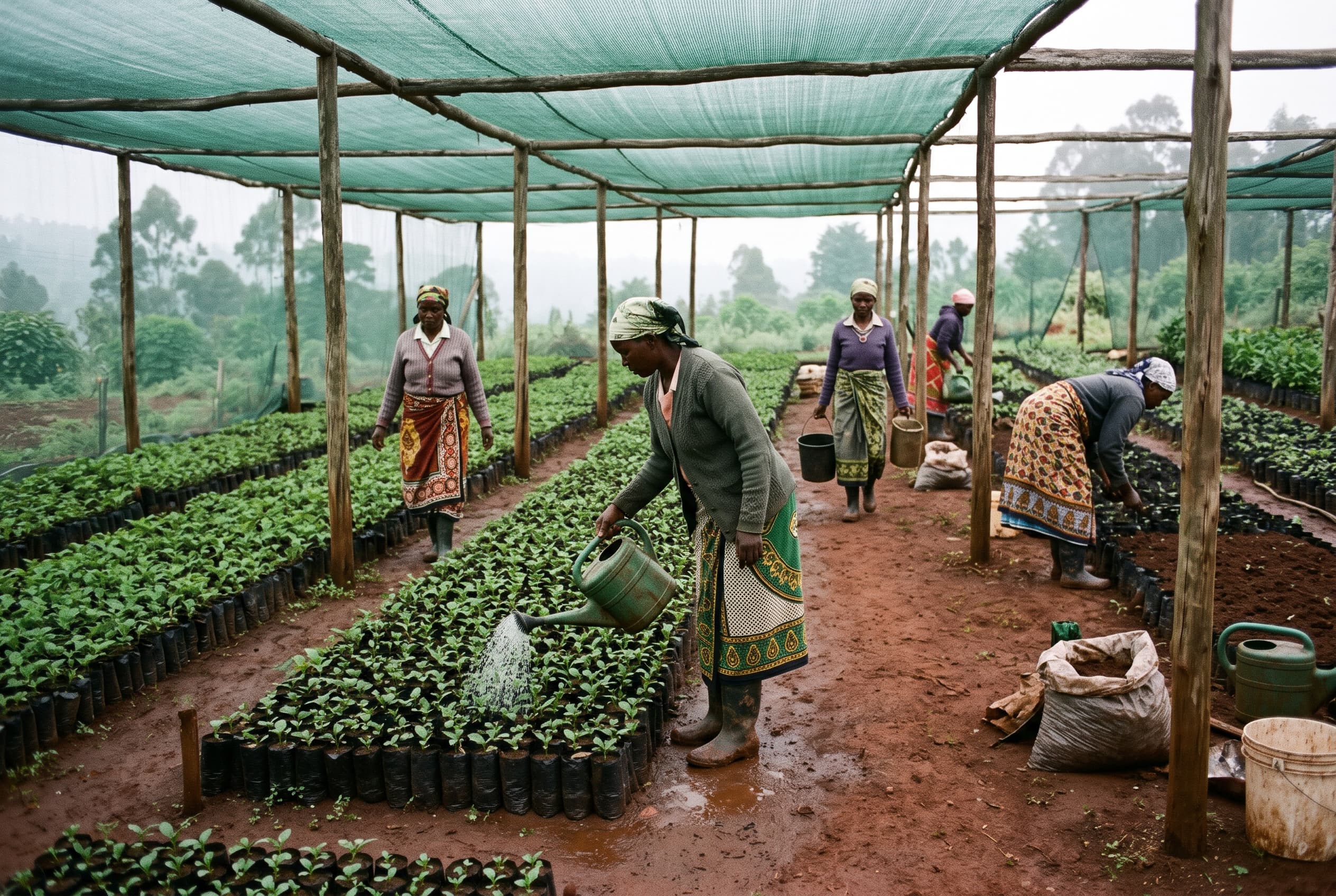
Rootline began here in 2012, on a single borrowed hillside above Elburgon, with a women's nursery group and 4,000 seedlings. Today eleven community nurseries raise native cedar, podocarpus and red stinkwood, and the women who run them are paid for every tree still alive after three years in the ground.

We plant only where communities have agreed the land returns to forest, and we pay for the seasons it takes: weeding, watering through drought, replanting losses. A tree counts when it survives, not when it goes in.

“The seedlings know my voice by now. I have raised forty thousand of them in this shade.”

Amina Wanjiru · Nursery lead, Elburgon
Specimen · African pencil cedar
Drag to turn

02What we plant

Species that belong here.

African pencil cedar. The tallest juniper in the world, conical when young, once the dominant tree of the Mau's upper slopes.

  • African pencil cedarJuniperus procera
  • East African yellowwoodPodocarpus latifolius
  • Red stinkwoodPrunus africana
  • CrotonCroton megalocarpus
  • African oliveOlea europaea subsp. cuspidata

03Milestones

Read it like a cross-section.

The first year sits at the heart, the most recent at the bark. Hover a ring or a year to read it.

  1. 2012

    A borrowed hillside

    4,000 seedlings are planted above Elburgon with one women's nursery group.

  2. 2015

    Eleven nurseries

    Community nurseries spread across the eastern Mau, each run by local women.

  3. 2018

    A spring returns

    A spring below the first hillside flows through the dry season again.

  4. 2020

    Half a million

    Half a million native trees, with survival paid for at three years.

  5. 2024

    The audit

    An independent survey counts 90 per cent of trees alive across all sites.

Add your trees to Mau Forest.

Plant a tree
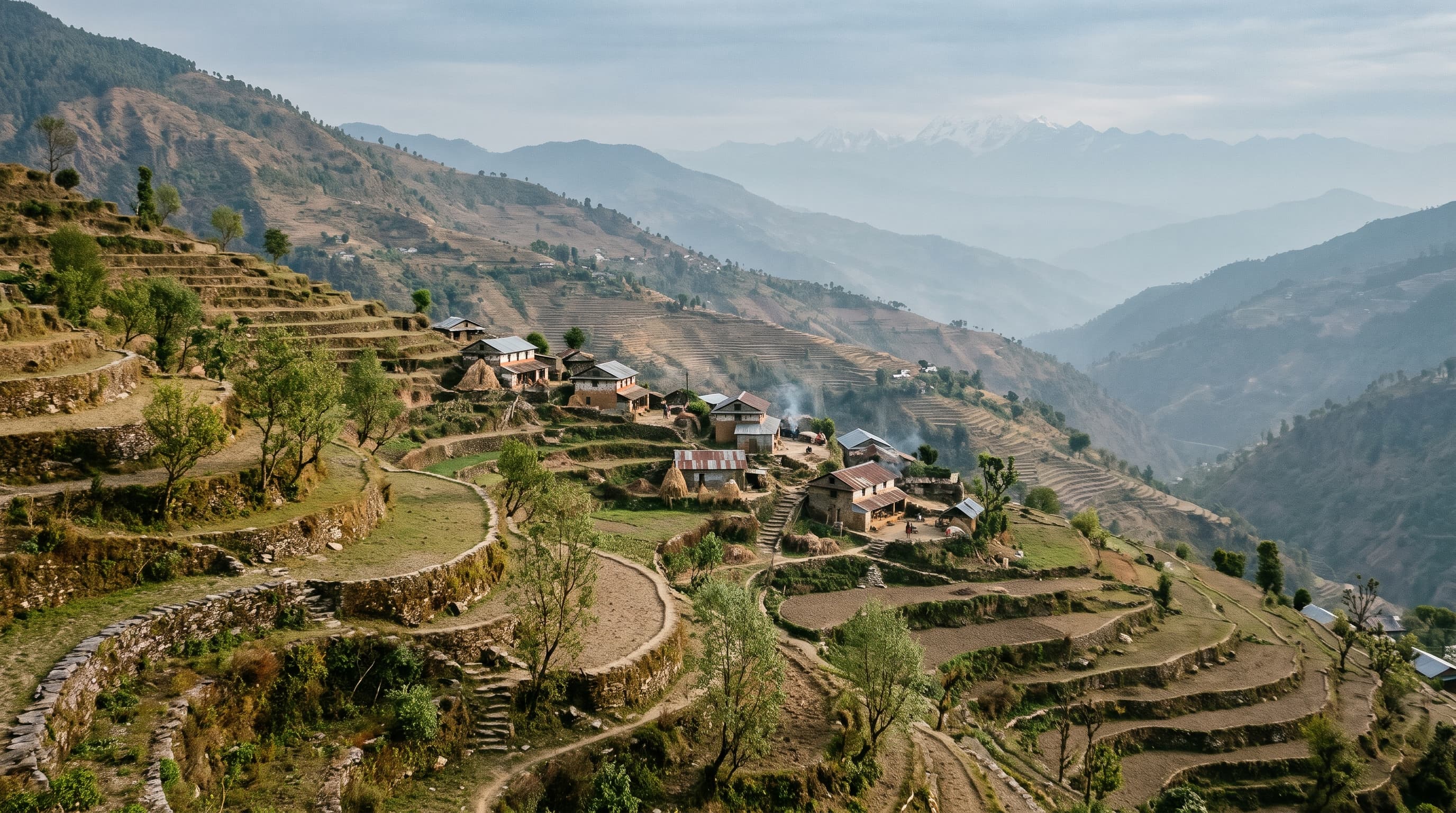
Terraced hillsides with young trees along the terrace edges and a village below

Next landscape · Nepal

Kavre Terraces

Made with Modulify