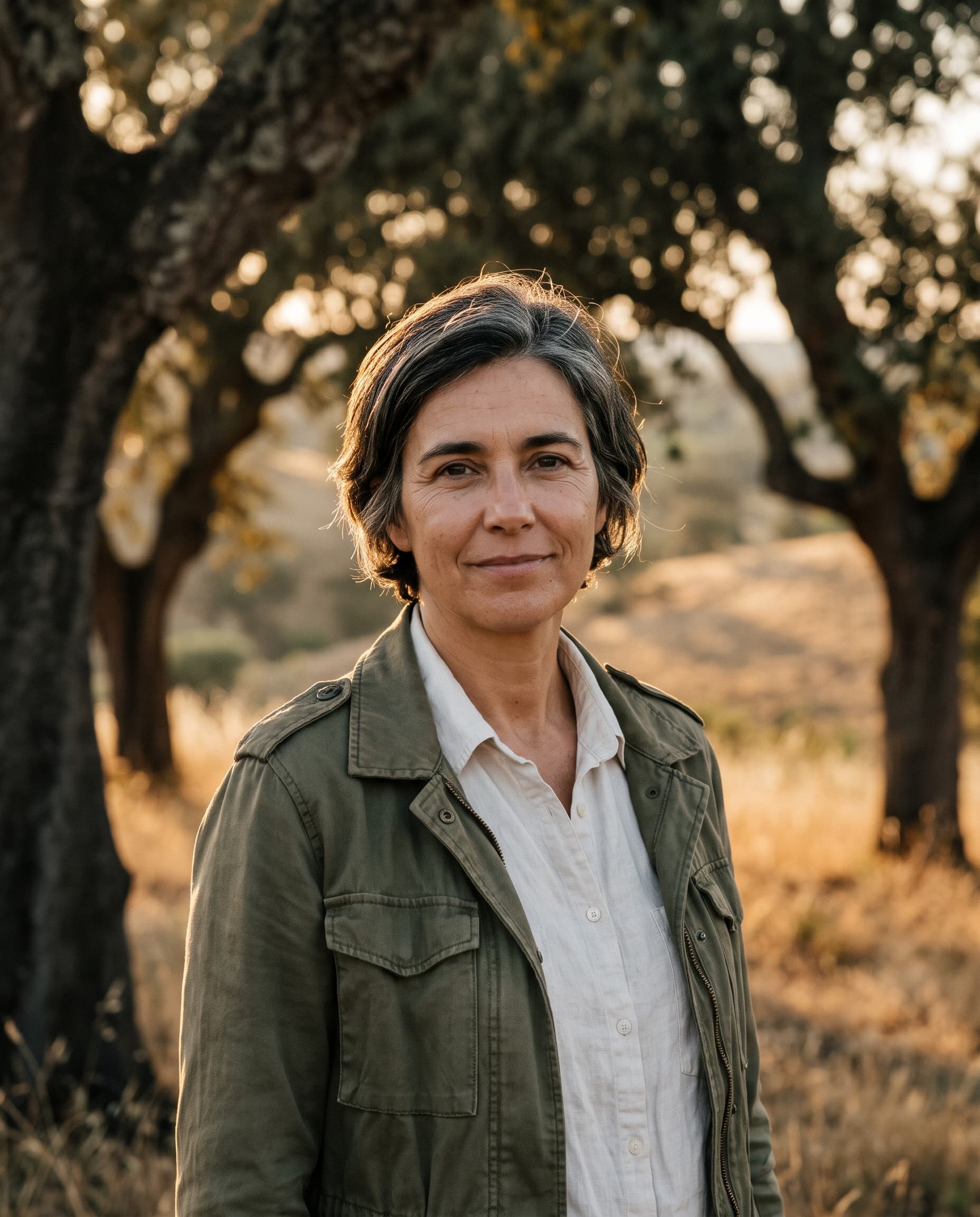
 Lisbon
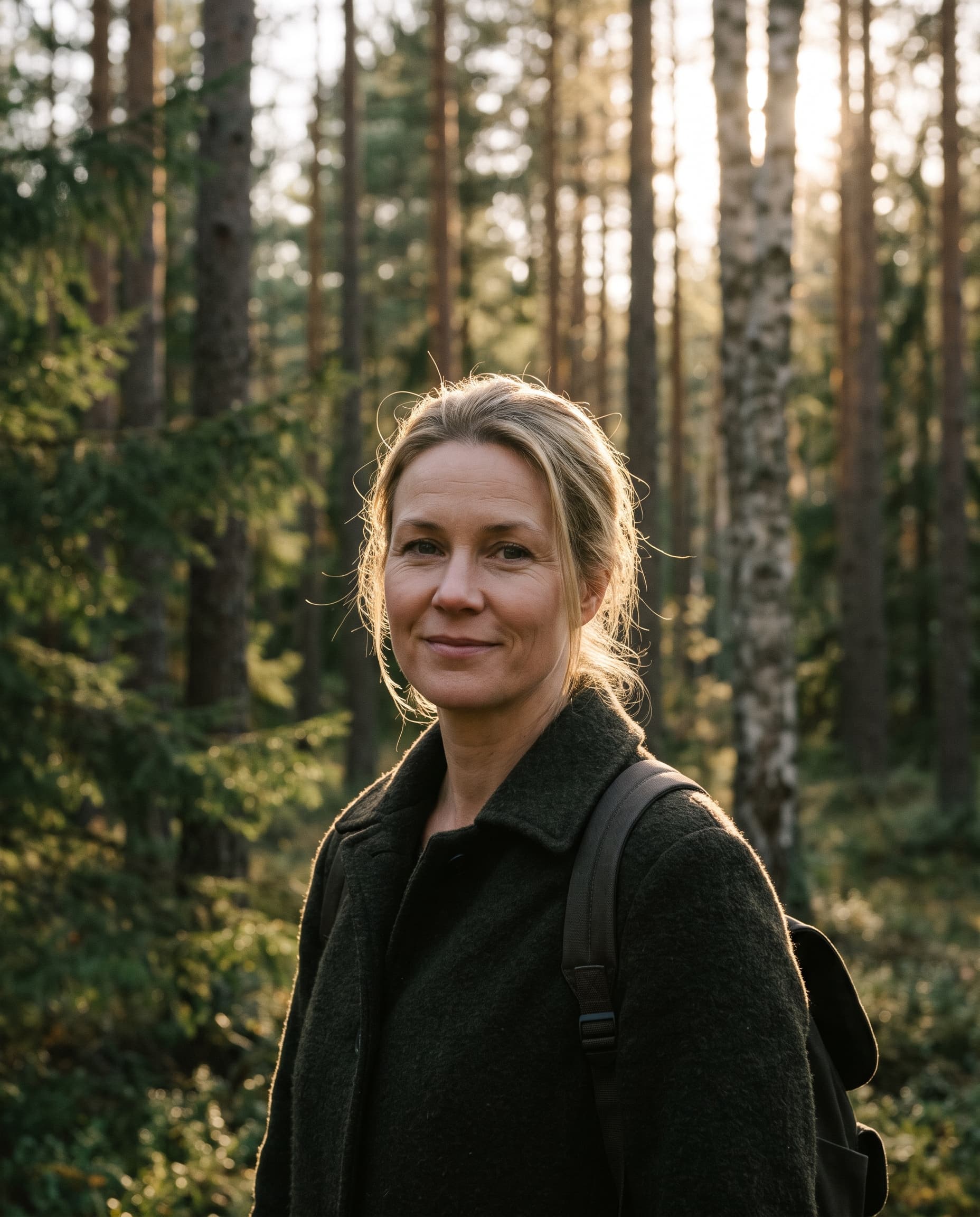
Ines Duarte
Co-founder and Executive Director
A former teacher who has spent fourteen years making sure the money reaches the hillside.
About
In 2012 a forester and a teacher planted 4,000 native seedlings on a borrowed slope above Elburgon, in Kenya, with a women's nursery group. Most of them lived. Everything we do now grew from what that hillside taught us.
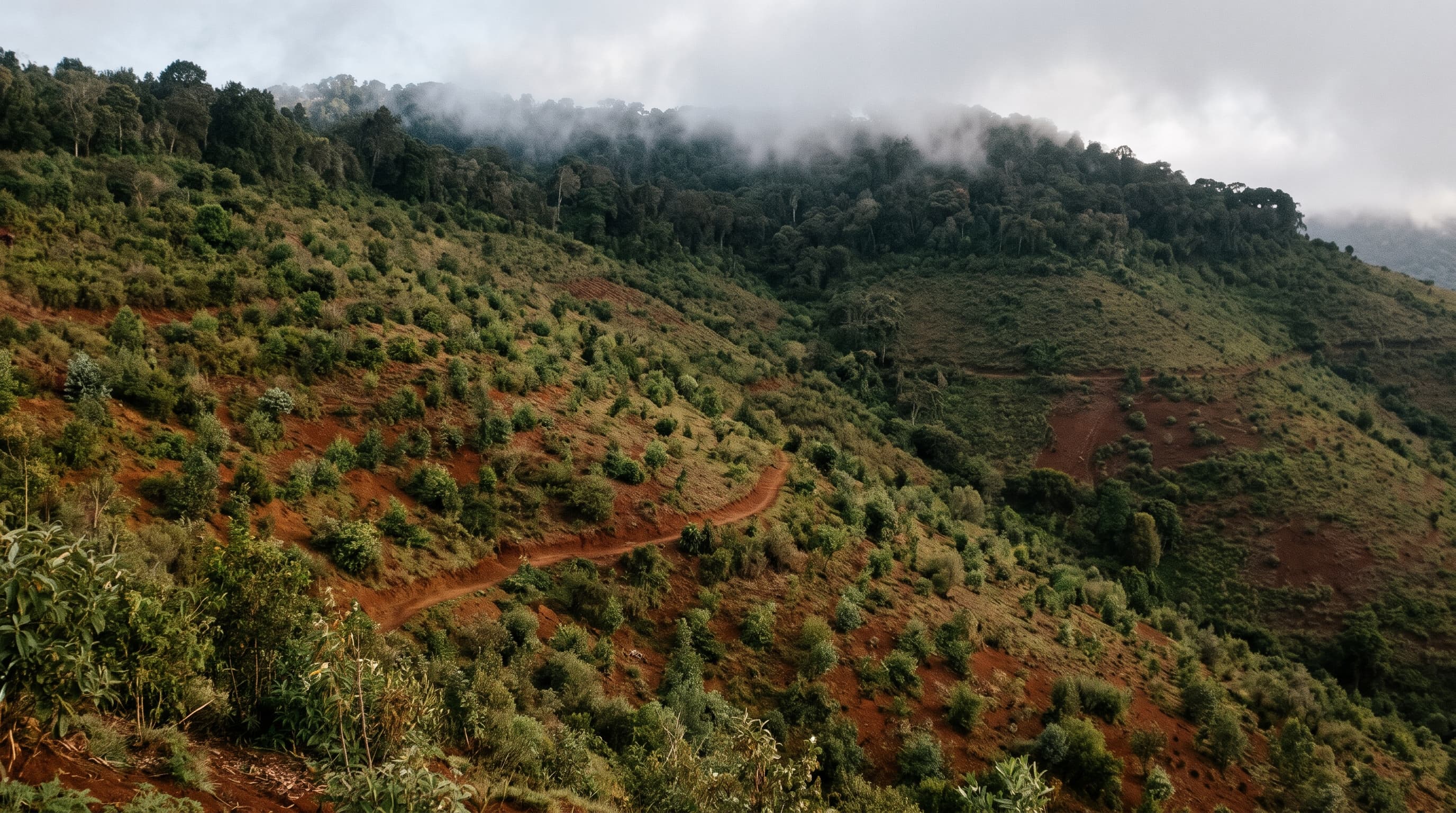
The first hillside, above Elburgon, Kenya. Where it began.
01Our story
2012
Forester Daniel Mwangi and teacher Ines Duarte plant 4,000 native seedlings above Elburgon, Kenya, with a women's nursery group. Most of them survive. They decide to stay.
2014
Rootline registers as an independent foundation and starts its first forest corridor through the cocoa farms of southern Bahia, Brazil.
2015
Mangrove planting begins on Madagascar's Boeny coast with five fishing villages and a tide calendar pinned to a school wall.
2016
In Central Kalimantan the first canal dams go in. We learn that some forests must be made wet again before they can be replanted.
2017
Community land trusts in Strathglass invite us to help the Caledonian pinewood return to Glen Affric.
2018
Programs open in central Portugal after the 2017 fires, and in the Middle Hills of Nepal after the 2015 earthquake.
2019
We publish our first independent audit, including the survival rate of every site. We have published one every year since.
2021
The five millionth tree goes into the ground in southern Bahia. Satellite monitoring now covers every site we work on.
2023
Our first plantings turn ten. A full survey finds 91 per cent of the trees we counted still standing.
2025
Community sites in eleven more countries join our eight flagship landscapes. More than 2,700 local people now work in the program.
Today
Over twelve million trees in the ground, and we measure success in decades. The first forests are only beginning.
02Principles
Five things we will not compromise on.
Native species, local seed.
We plant what belongs, raised from trees that already know the place.
Communities decide.
Land returns to forest only where the people who live beside it choose that.
We count survivors, not saplings.
A tree counts when it is alive after three years, not when it goes in.
Ten years, minimum.
We fund the weeding, the watering and the replanting, for as long as a forest needs.
Every number public.
Survival rates, costs and failures, audited and published every year.
03The team
Eight of us coordinate, count and raise funds. More than 2,700 people on the ground do the planting, and decide where it happens.
LisbonCo-founder and Executive Director
A former teacher who has spent fourteen years making sure the money reaches the hillside.
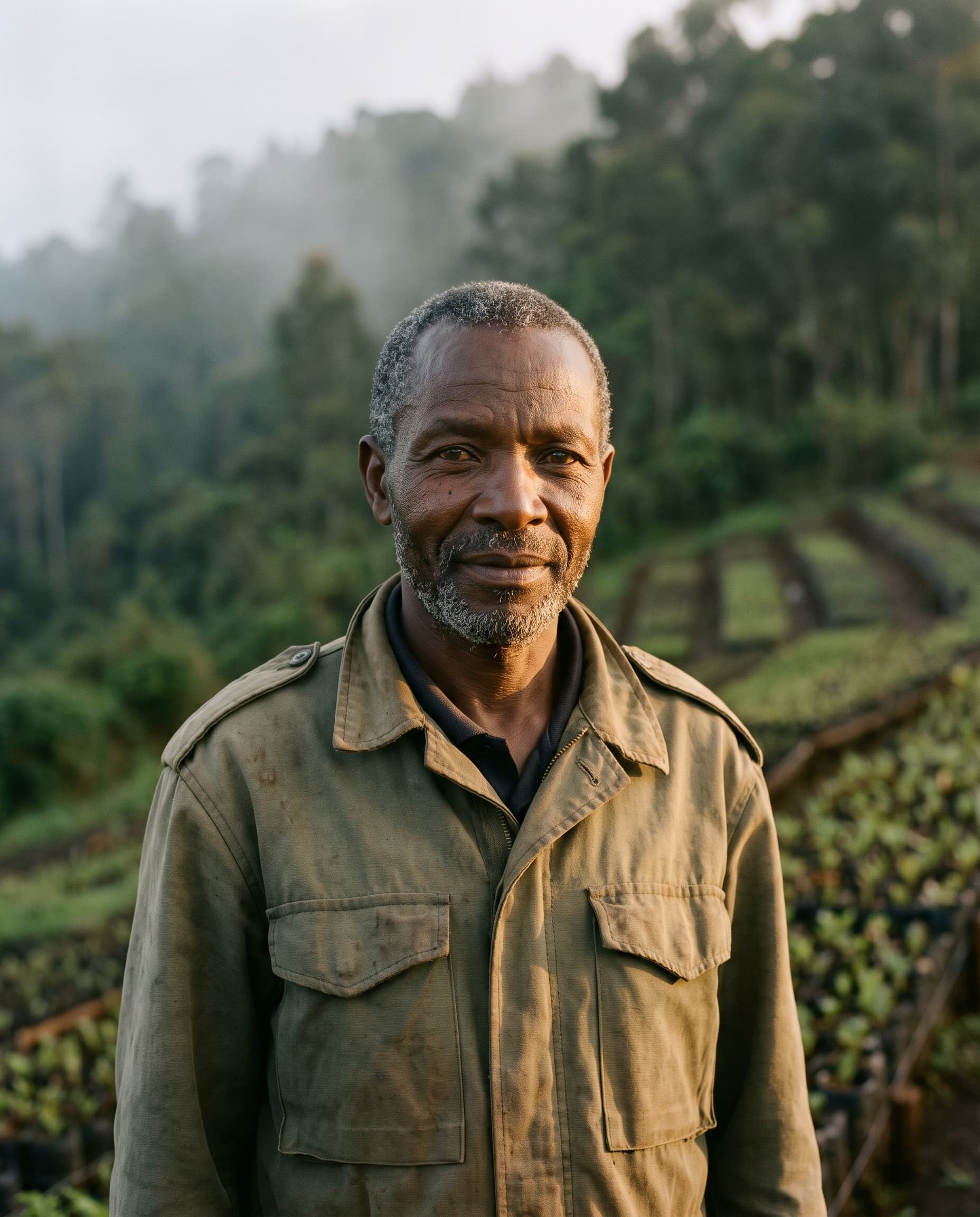 Nairobi
Co-founder, Field Programs
Forester, nursery builder, and the reason Rootline started in the Mau.
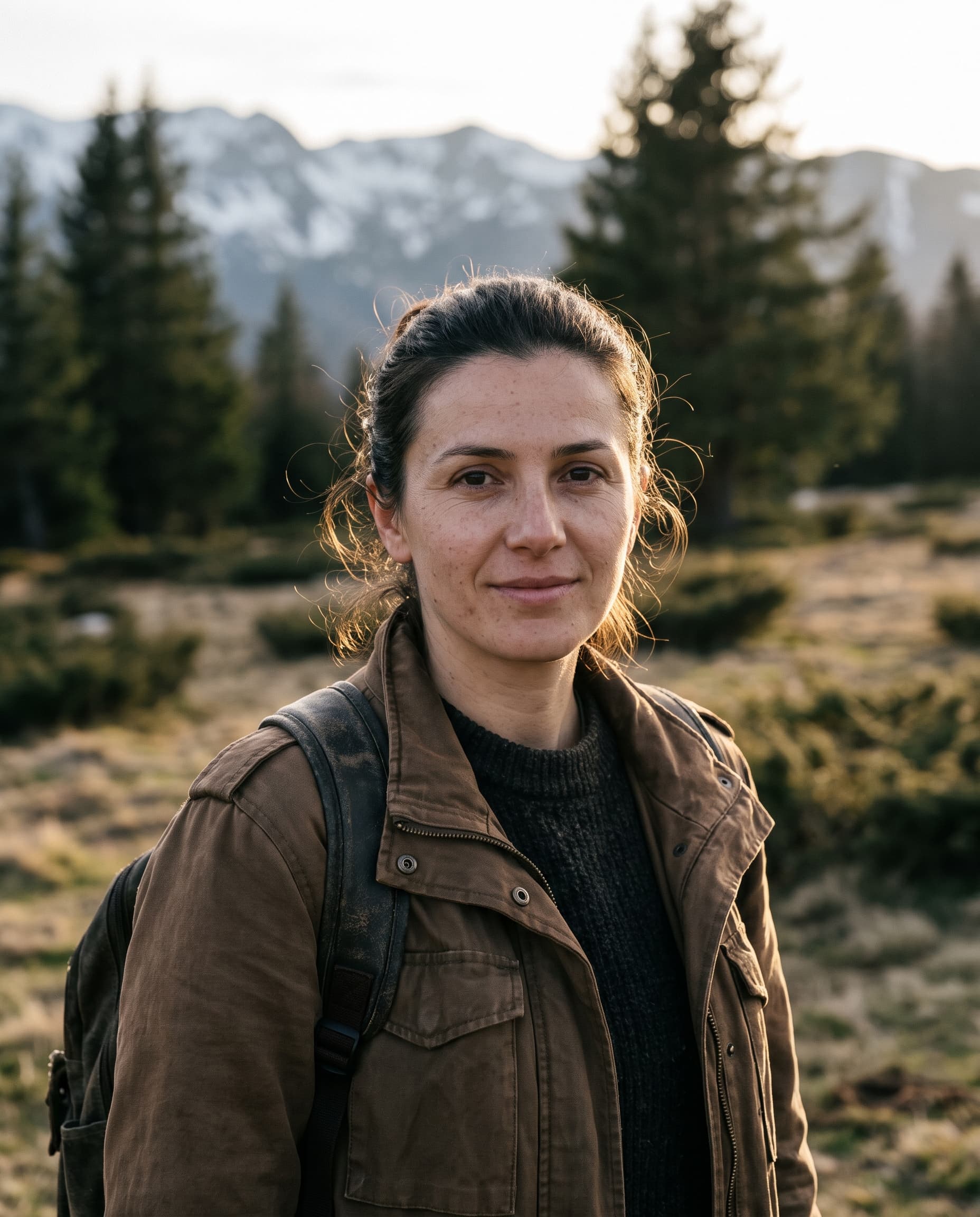 Prishtina
Head of Science and Species
Plant ecologist who decides what goes into the ground, and where it came from.
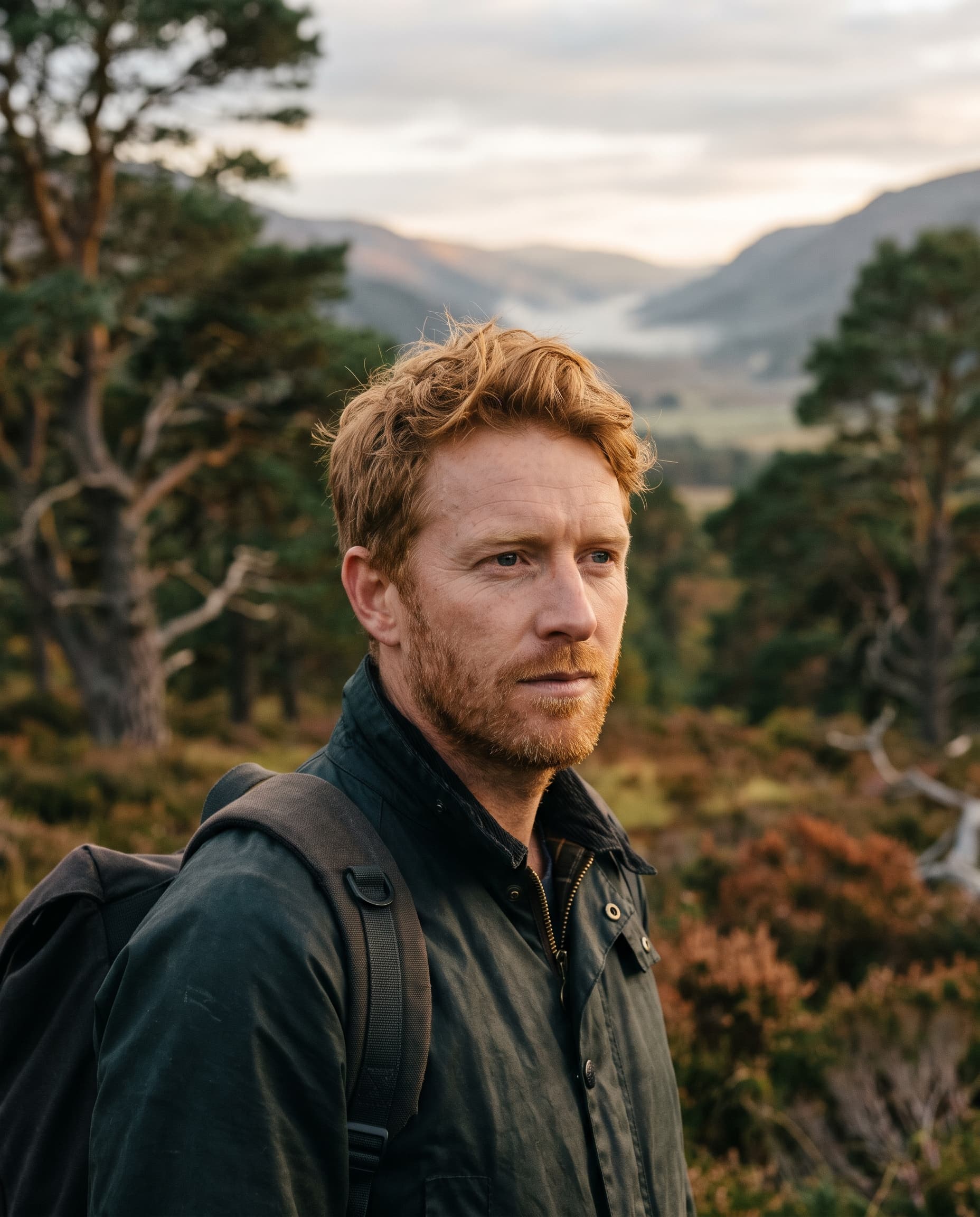 Edinburgh
Monitoring and Data
Counts every survivor, by satellite and on foot, and publishes the result.
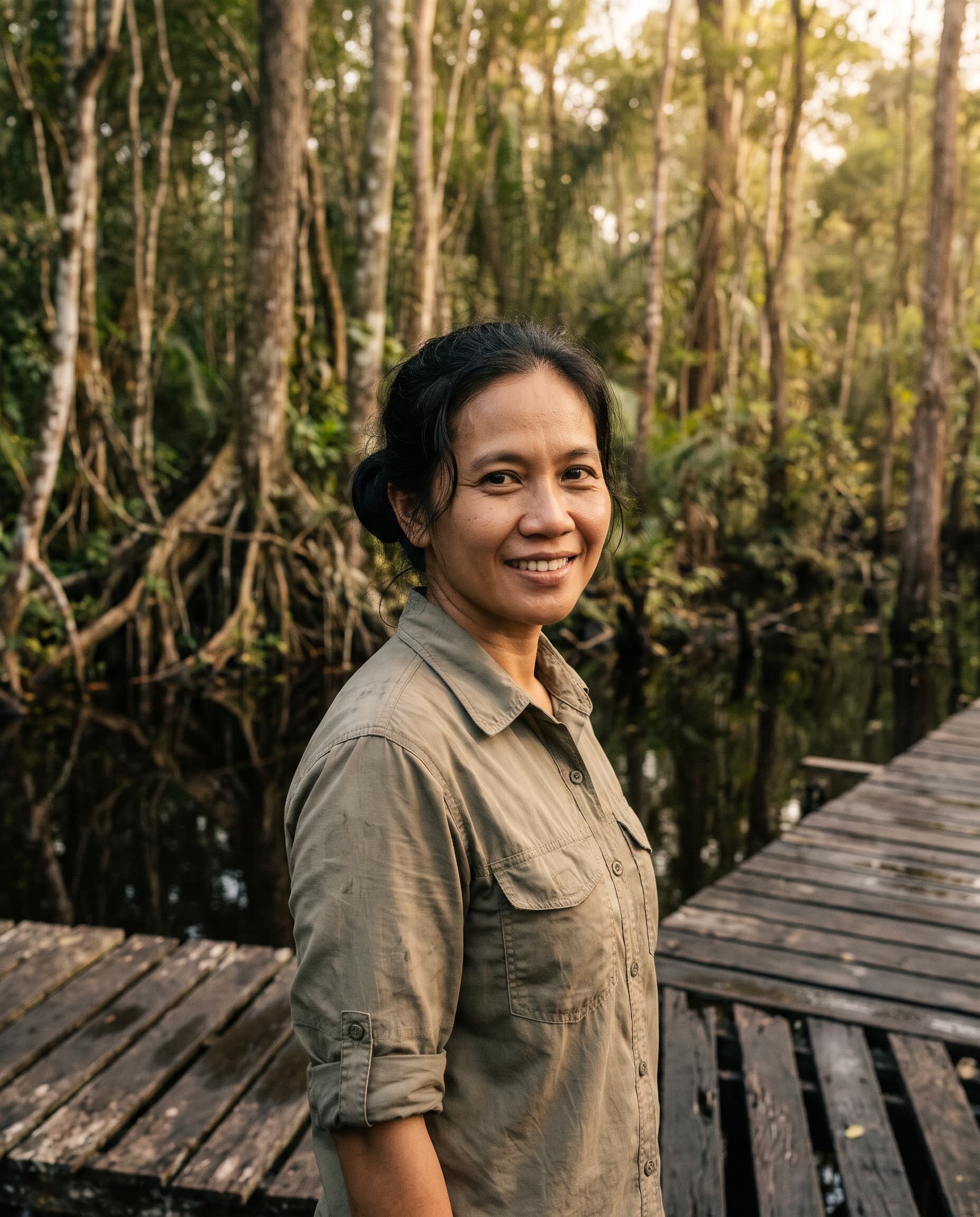 Palangka Raya
Peatland Program Lead
Hydrologist who learned to plant forests by first learning to stop water.
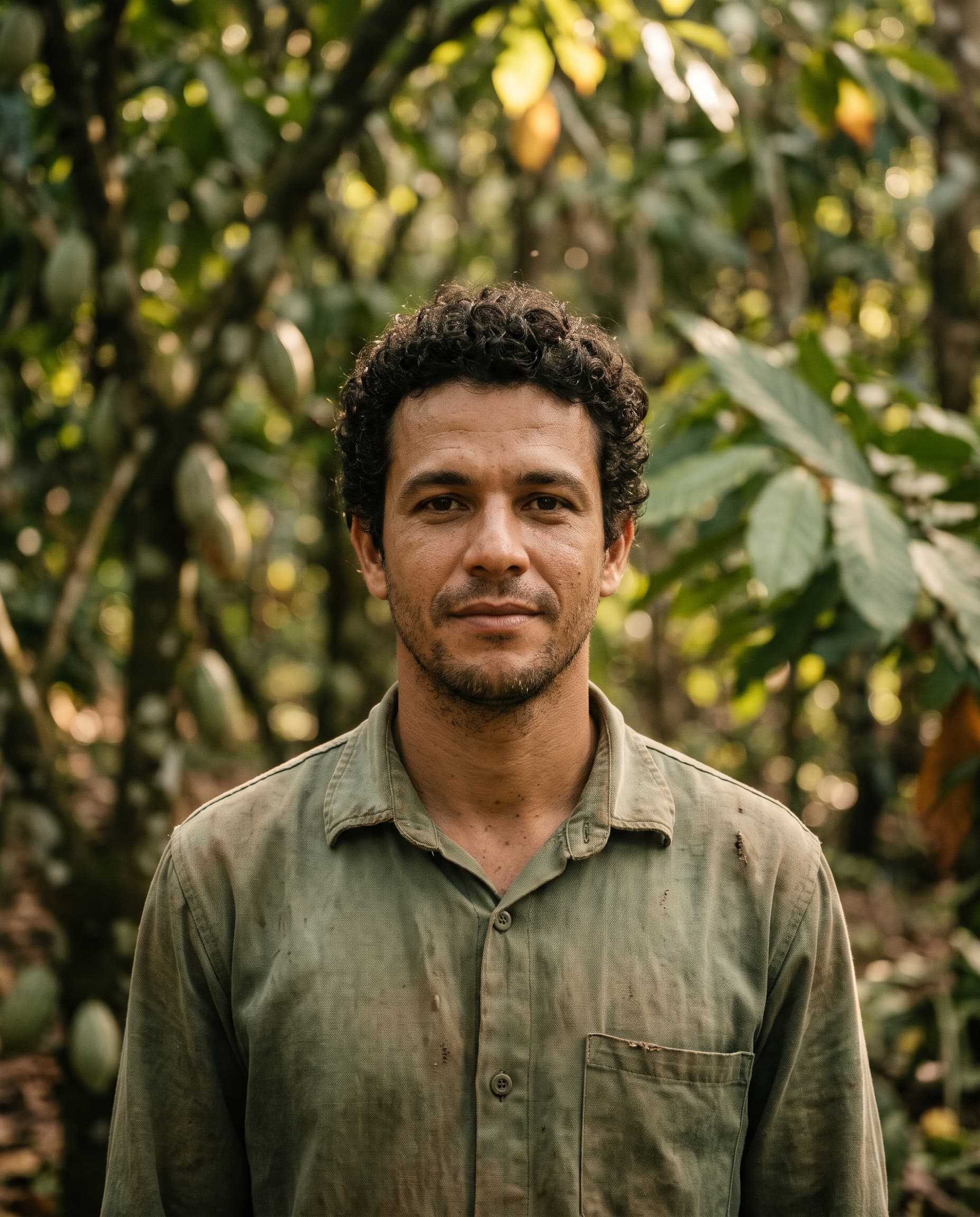 Ilhéus
Atlantic Forest Program Lead
Grew up on a cocoa farm in Bahia, and now plants corridors through them.
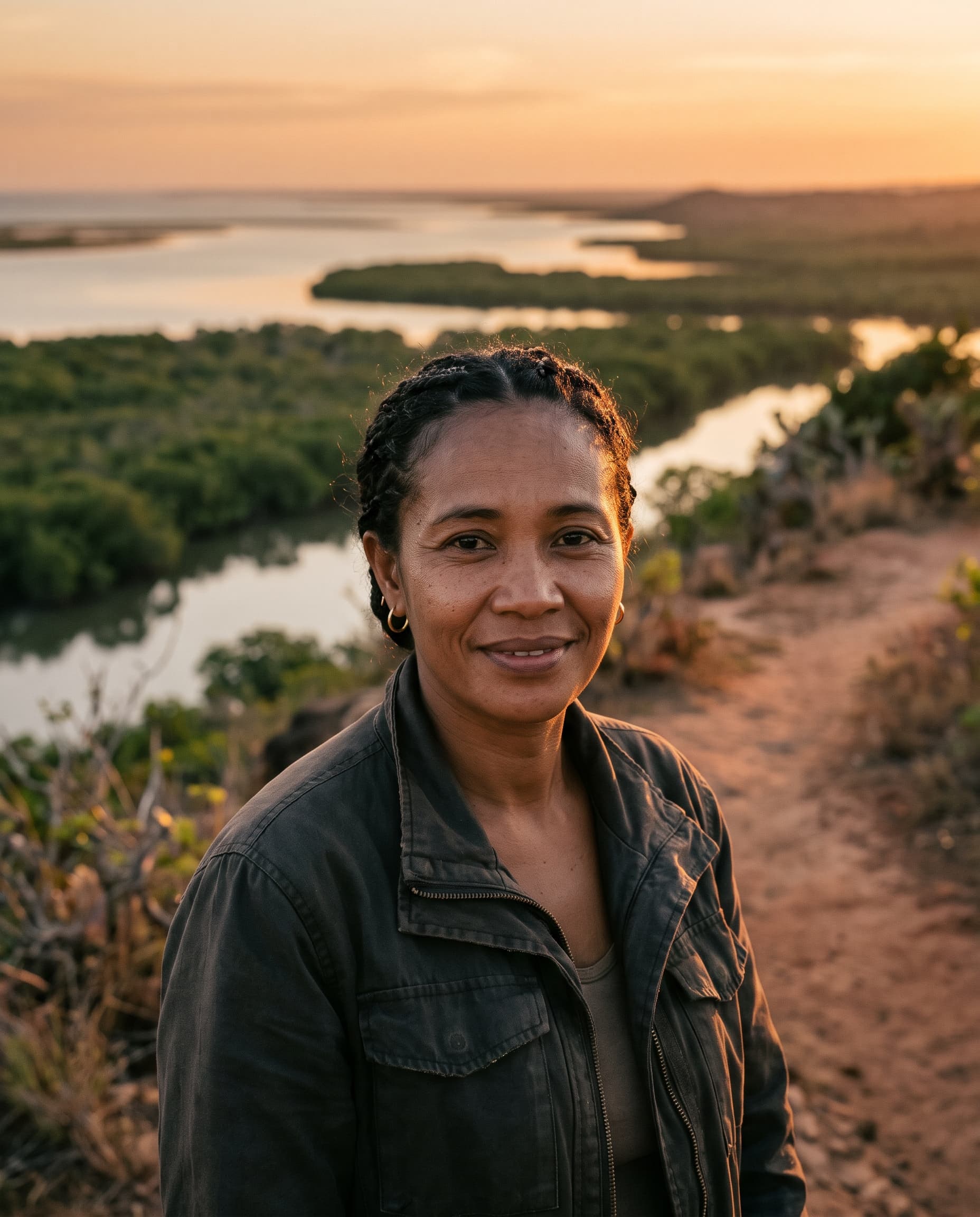 Mahajanga
Mangrove Program Lead
Marine biologist who keeps the tide calendar for twenty-two villages.
 Lisbon
Partnerships Director
Works with companies who want their support measured in survivors.
05Science and species
We choose species for what their roots do as much as for what their crowns look like: deep anchors for slopes, nitrogen fixers for tired soil, flood-tolerant trees for peat.
